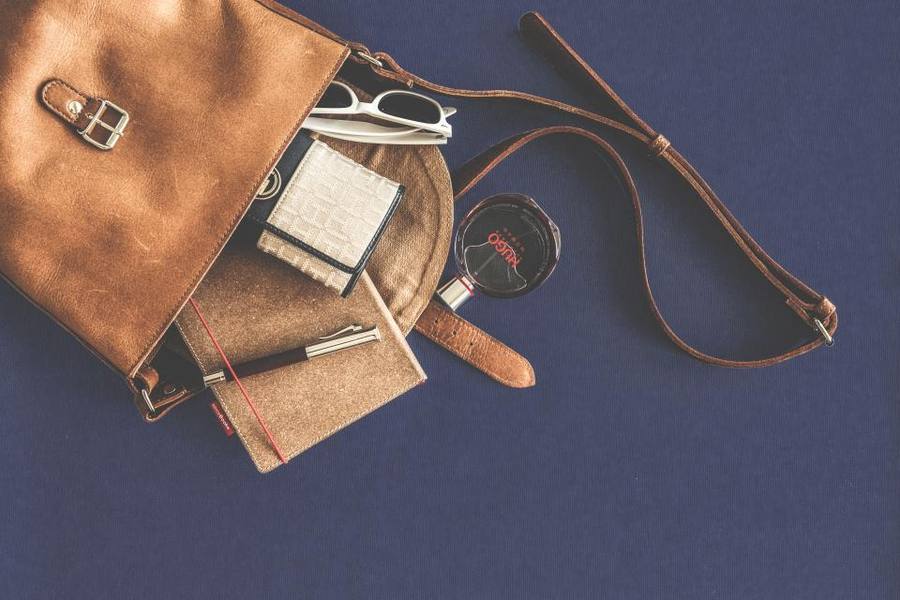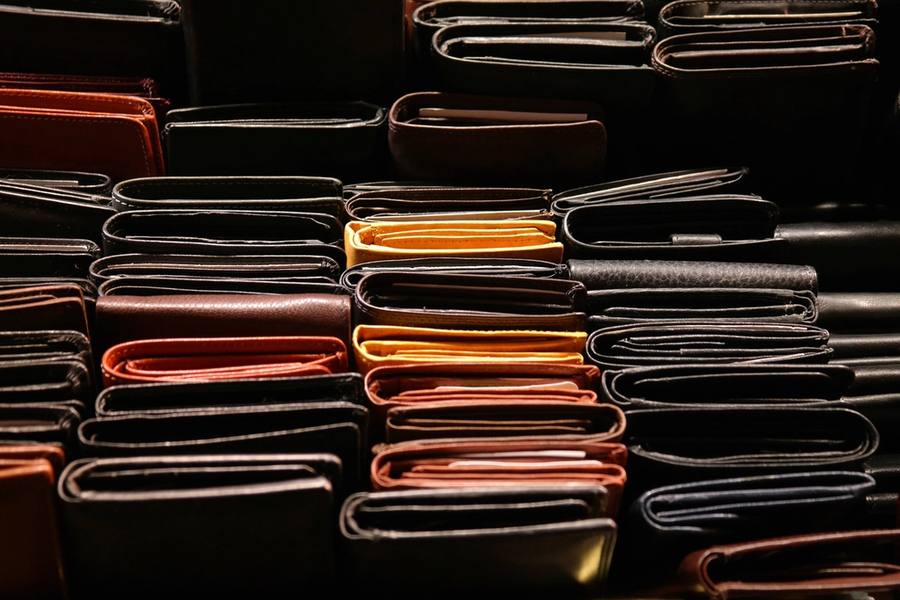
Representative image (stock photo); not the exact product.
Slim Is The Actual Benefit
A thick wallet in a back pocket tilts the pelvis while sitting, which over years is associated with back and hip discomfort, and it also wears through trouser pockets.
A card wallet holds what you actually use — a few cards and a folded note — and forces the discard of receipts and loyalty cards that accumulate for no reason.
That reduction is the genuine benefit of the category, and it is a considerably stronger argument than the shielding that gets marketed.
The RFID Threat Is Overstated
Contactless card skimming at a distance is technically possible and far rarer in practice than marketing implies, since a reader must be very close and transactions are limited and traceable.
Card networks also limit contactless liability, which means the financial exposure from a skimmed card is small compared to card details stolen in a data breach.
Shielding does no harm and costs little, and buying a wallet primarily for it is buying protection against an unlikely threat while ignoring more common ones.
What Actually Protects You
Monitoring statements, using a card with strong fraud protection, and enabling transaction alerts catch problems far more effectively than physical shielding.
Phone-based payment is more secure than a physical contactless card for most transactions, since it requires authentication for each one.
Losing a wallet is a considerably more likely event than being skimmed, which makes carrying fewer cards a better protection than shielding all of them.
Material And Construction
Leather card wallets stretch with use, which is why a new one is tight and settles to the right fit after a few weeks, and one that is comfortable immediately will be loose in a month.
Metal and carbon wallets do not stretch, which means capacity is fixed and cards can be harder to extract.
Elastic bands for holding notes perish and stretch over a few years, and a wallet relying entirely on elastic will eventually need replacing for that reason alone.
Card Access
A wallet that requires pulling every card out to reach the one you want is annoying several times a day, and a thumb cutout or a fanning mechanism addresses it.
Wallets holding cards in a tight stack protect them and slow access, and the right balance depends on how many cards you carry.
Contactless works through most wallets if the card is on the outside, which means a shielded wallet needs the card removing to use — worth knowing before buying one.
Note capacity is worth considering honestly, since a card holder with no note section means folded cash sits loose in a pocket or gets left behind entirely. Versions with a strap, a clip or a slim note pocket cover it without adding much bulk, and buying one without any provision for cash and then discovering you need some is a common small frustration in countries where cash remains normal.
The Verdict
A genuinely better way to carry cards than a thick folded wallet, with the slimness rather than the shielding being the real benefit.
RFID skimming is an overstated threat, leather versions stretch before settling, and shielding means removing the card to pay.
Buy it for the slimness. The RFID shielding is a marketing feature protecting against something rarer than losing the wallet itself.
At a glance
Pros
- Forces carrying only what you use
- No thick wallet tilting the pelvis when seated
- Does not wear through trouser pockets
- Shielding costs little and does no harm
Cons
- RFID threat is overstated in marketing
- Shielded wallets require removing the card to pay
- Leather versions are tight until they stretch
- Limited capacity by design
Frequently asked questions
Do I need RFID blocking?
It does no harm and costs little, and skimming at a distance is rarer than marketing implies — a reader must be very close, transactions are limited and traceable, and card networks limit contactless liability. Losing a wallet is far likelier.
Why is my new leather wallet so tight?
Leather stretches with use, so a new card wallet should be tight and settles to the right fit within a few weeks. One that is comfortable immediately will be loose within a month and cards will start falling out.
Can I pay without taking the card out?
Through an unshielded wallet with the card on the outside, usually yes. Through a shielded one, no — the shielding works, which means removing the card every time. That is worth knowing before buying one for convenience.
Specifications
| Type | Slim card wallet with RFID shielding |
| Genuine benefit | Slimness and reduced carry |
| RFID threat | Technically possible, rare in practice |
| Better protection | Statement monitoring and transaction alerts |
| Leather | Stretches; tight when new is correct |
| Metal and carbon | Fixed capacity, no stretch |
| Access | Thumb cutout or fanning mechanism |
| Shielded wallets | Card must be removed to pay |
The bottom line
Buy it for the slimness, not the shielding. Carrying fewer cards protects you better than blocking all of them does.
Check Price on Amazon