Polarised UV400 Sunglasses
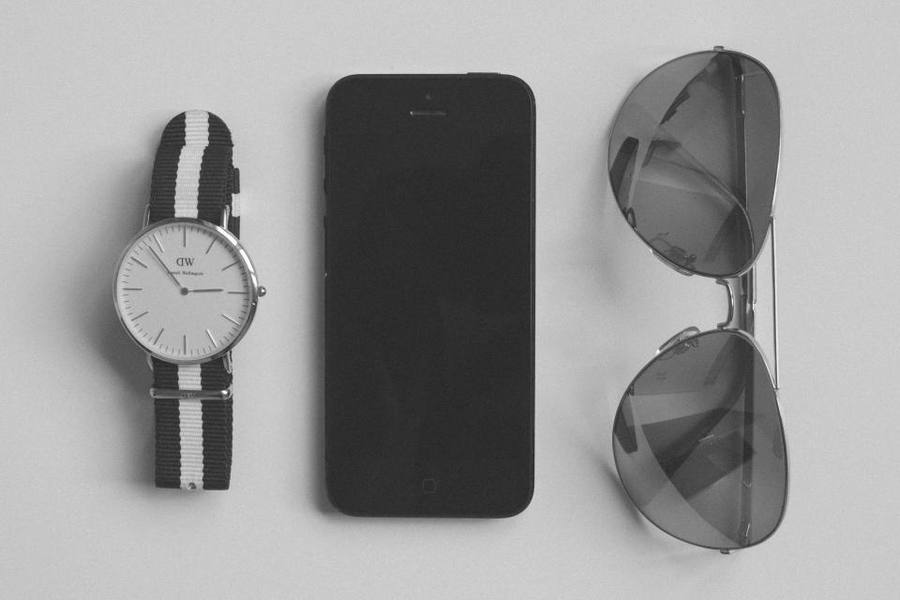
Image illustrative (photo de stock) ; ce n'est pas le produit exact.
Dark Lenses Without UV Protection Are Dangerous
Pupils dilate behind dark lenses because less visible light reaches the eye, which means more of whatever ultraviolet passes through gets in.
A dark lens without ultraviolet filtering therefore delivers more UV to the retina than wearing nothing at all, which makes cheap unrated sunglasses genuinely harmful rather than merely useless.
UV400 indicates blocking of wavelengths up to four hundred nanometres, which covers the relevant range, and it is the one specification that actually matters for eye health.
Polarisation Is A Separate Thing
Polarised lenses filter light reflected off horizontal surfaces — water, wet roads, car bonnets, snow — which is what causes the worst glare.
That is a comfort and clarity benefit rather than a protection one, and a polarised lens is not automatically UV protective nor the reverse.
The two are independent specifications and both should be confirmed, since marketing frequently implies that polarised means protective.
Where Polarisation Causes Problems
Polarised lenses interact with some LCD screens, which can make dashboard displays, phone screens and aircraft instruments darken or disappear at certain angles.
Pilots and some machine operators are advised against polarised lenses for that reason, and anybody relying on a screen while wearing them should check.
They also mask the glare that indicates ice on a road, which is a genuine consideration for winter driving rather than a theoretical one.
Tint Colour And Darkness
Tint darkness affects comfort and has no bearing on ultraviolet protection, which is a coating or material property rather than a function of how dark the lens is.
Grey tints preserve colour accuracy, brown and amber increase contrast which suits driving and low light, and very dark lenses are unsuitable for overcast conditions.
A lens too dark for the conditions causes squinting for a different reason and does not increase protection, which is the common misunderstanding.
Fit And Coverage
Light entering from the sides and above reaches the eye regardless of how good the lenses are, which is why wraparound and larger frames protect better.
Frames that sit close to the face reduce that gap, and a small lens in a large gap offers less protection than the specification suggests.
Children need proper UV protection too and are frequently given toy sunglasses with no rating at all, which is exactly the dangerous combination described above.
Cumulative exposure is what makes this matter over a lifetime rather than on any single day, since ultraviolet damage to the lens and retina accumulates and is associated with cataract development and other conditions decades later. That long timescale is precisely why people fail to take it seriously, because nothing visible happens after an afternoon without sunglasses. The protection is being bought against something that shows up in your sixties rather than something you notice this week.
The Verdict
The right specification combines genuine ultraviolet blocking with polarisation for glare, and the first matters for health where the second matters for comfort.
Dark unrated lenses are worse than none, polarisation interferes with some screens, and coverage matters as much as lens quality.
Confirm the UV rating specifically. A dark lens without it dilates your pupils and lets more ultraviolet in than wearing nothing.
En un coup d'œil
Avantages
- UV400 blocks the wavelengths that matter for eye health
- Polarisation removes glare from water, roads and snow
- Brown and amber tints increase contrast for driving
- Larger and wraparound frames reduce light entering from the sides
Inconvénients
- Polarised lenses interfere with some LCD screens
- Mask the glare that indicates road ice
- Very dark tints unsuitable for overcast conditions
- Unrated dark lenses are actively harmful
Questions fréquemment posées
Are dark sunglasses automatically protective?
No, and unrated dark lenses are worse than none. Pupils dilate behind dark lenses because less visible light gets in, so more of whatever ultraviolet passes through reaches the retina. Confirm a UV400 rating specifically.
Is polarised the same as UV protective?
No, they are independent. Polarisation filters glare reflected off horizontal surfaces, which is comfort and clarity. UV protection is a separate material or coating property, and marketing frequently implies one means the other.
Any reason not to buy polarised?
They interfere with some LCD screens, which is why pilots and some machine operators are advised against them. They also mask the glare that indicates ice on a road, which matters for winter driving.
Spécifications
| UV protection | UV400 blocks up to 400 nanometres |
| Polarisation | Separate from UV; filters horizontal glare |
| Tint darkness | Comfort only; unrelated to UV protection |
| Grey tint | Preserves colour accuracy |
| Brown or amber | Increases contrast for driving |
| Coverage | Wraparound reduces side entry |
| Not recommended for | Pilots and some screen-dependent work |
| Children | Need genuine UV rating, not toys |
Résumé
Confirm the UV rating, not the darkness. Dark unrated lenses dilate your pupils and let more ultraviolet through than none at all.
Vérifier le prix sur Amazon